
Blog
COPD and Fatigue: Why Breathing Harder Also Means Living More Tired


COPD and Fatigue: Why Breathing Harder Also Means Living More Tired
Chronic obstructive pulmonary disease (COPD) is usually described purely as a breathing condition — but ask people actually living with it, and a deep, whole-body fatigue is often just as disruptive as the breathlessness itself. It isn't simple tiredness from working harder to breathe; it comes from a specific chain of oxygen, muscle, and inflammation changes. Here's the mechanism, how flare-ups fit in, and what genuinely helps.
- Fatigue is one of the most commonly reported symptoms of COPD, and people frequently rate it as just as limiting as breathlessness itself, even though it gets far less attention in conversations about the disease.
- It has a specific mechanism: narrowed airways trap air in the lungs, which makes every breath take more muscular effort and can lower blood oxygen — a direct energy cost, not just discomfort.
- There are two overlapping patterns: fatigue driven by the effort of breathing itself, and fatigue driven by long-term muscle deconditioning — and they call for different strategies.
- Flare-ups (exacerbations) cause their own fatigue spikes that can last well beyond the flare-up itself — a pattern worth tracking and naming specifically.
- It's manageable. Pulmonary rehabilitation, breathing techniques, and treating overlapping sleep or heart issues all make a measurable difference.

1. Why COPD Fatigue Is Often Underestimated
Mayo Clinic describes chronic obstructive pulmonary disease as a group of progressive lung conditions, most often emphysema and chronic bronchitis together, that cause airflow blockage and breathing-related problems. Most conversations about COPD, understandably, center on shortness of breath and cough. Fatigue tends to get mentioned as a side note, if at all — even though clinical literature consistently finds it among the symptoms people with COPD rate as most disruptive to daily life.
Part of the disconnect is that fatigue in COPD doesn't always look like "being out of breath." It can show up as a heavy, whole-body tiredness that's present even while sitting still, a mental fog, or a reluctance to start tasks that never used to feel difficult. Because it doesn't match the mental image of a "lung problem," it's easy for both patients and clinicians to underweight it during appointments that are often focused on lung function numbers alone.
2. The Oxygen-and-Effort Connection

COPD narrows the airways and damages lung tissue in ways that make it harder for air to fully leave the lungs with each breath. Over time this leads to air trappingAlso called hyperinflation. Because damaged airways don't empty fully, extra air stays in the lungs breath after breath, leaving less room for a full, efficient inhale and forcing the breathing muscles to work from a mechanically disadvantaged position. — the lungs stay partially inflated even after exhaling, which forces the diaphragm and chest muscles to work from a less efficient position for every single breath.
That extra mechanical effort has a real energy cost. Clinical overviews summarized in resources like NCBI/StatPearls describe how, as COPD progresses, gas exchange becomes less efficient — blood oxygen can drop (hypoxemia) and carbon dioxide can build up (hypercapnia), especially during exertion, sleep, or a flare-up. Both the added muscular work of breathing and reduced oxygen delivery to tissues throughout the body feed directly into a pattern of fatigue that's biological, not simply a matter of motivation.
- Air trapping means every breath costs more energy than it would in healthy lungs, even before oxygen levels are affected at all.
- Lower blood oxygen reduces the fuel available to muscles and the brain, which can produce both physical tiredness and mental fog.
- This energy cost is present even at rest in more advanced disease, not only during activity.
- Fatigue doesn't track neatly with how "bad" the cough or breathlessness feels day to day. Someone with modest breathlessness can still have significant fatigue.
- Chronic low-grade inflammation associated with COPD is also thought to contribute to systemic fatigue, separate from the mechanical breathing effort itself.
3. Fatigue Across the Disease Timeline
Fatigue in COPD tends to follow a layered pattern rather than a single flat line. A baseline level is often present from around the time of diagnosis, reflecting the ongoing mechanical and oxygen effects described in Section 2. On top of that baseline, sharp, temporary spikes commonly follow flare-ups, or exacerbations (Section 5), and can linger for days to weeks after the flare-up's other symptoms have settled. Over years, as airflow obstruction gradually worsens, many people also notice the baseline itself trending upward.
Recognizing which layer is showing up matters. A fatigue spike that started right after a chest infection or flare-up is a different clinical question from a slow, steady decline over months — and describing the specific pattern, rather than just "I'm always tired," gives a pulmonology team much more to work with.
4. Ventilatory vs. Deconditioning Fatigue: What Points Where
Two overlapping patterns are commonly described in COPD-related fatigue, and it's worth getting a general sense of which is showing up more for you.
Tiredness that tracks closely with breathlessness
Energy drops specifically when breathing feels harder — during exertion, during a flare-up, or in humid or poor-air-quality conditions — and tends to ease somewhat once breathing settles. Points toward the direct mechanical/oxygen mechanism in Section 2.
A general drop in stamina and muscle endurance
Muscles tire faster during everyday tasks even when breathing itself feels manageable in the moment — often a downstream effect of activity being avoided over time because it feels effortful.
These two patterns commonly reinforce each other: breathlessness leads to less activity, less activity leads to deconditioning, and deconditioned muscles need more oxygen to do the same task — which increases breathlessness again. This cycle is exactly why pulmonary rehabilitation (Section 14) is built around gradually rebuilding activity rather than simply resting more.
5. The Flare-Up Connection: Exacerbation Fatigue

An acute exacerbation of COPD — a flare-up, often triggered by a respiratory infection or air-quality irritant — brings a temporary worsening of cough, breathlessness, and mucus. According to patient-education guidance from the American Lung Association, exacerbations are also commonly accompanied by a marked increase in fatigue, and recovery of normal energy levels can lag well behind the recovery of other symptoms.
This "post-flare fatigue" has a recognizable shape: a sharp increase around the time of the flare-up, followed by a slower-than-expected return to baseline that can take days to several weeks. That gap between "the cough is better" and "my energy is back" is a specific, worth-naming pattern, since it can otherwise be mistaken for a sign that something new is wrong.
- Fatigue that spikes sharply around a flare-up is a recognized, expected pattern — distinct from a slow background rise unconnected to any specific trigger.
- Energy often lags behind other symptoms during recovery, which is common and not necessarily a sign the flare-up hasn't resolved.
- Tracking oxygen saturation with a home pulse oximeter, when a clinician has recommended it, can help distinguish ordinary post-flare tiredness from a drop that needs medical attention.
- Frequent flare-ups are worth flagging on their own, since reducing their frequency (Section 14) is one of the most effective ways to reduce fatigue's overall burden.
If your energy still hasn't returned to normal two or more weeks after a flare-up has otherwise resolved, that's worth mentioning specifically at your next appointment rather than assuming it will simply pass.
6. Who's Most Often Affected
People With More Advanced Airflow Obstruction
Fatigue tends to become more prominent as lung function declines, though it can be disproportionately present even in earlier GOLD stages (Section 9).
People With Frequent Exacerbations
More flare-ups mean more of the sharp, lingering fatigue spikes described in Section 5, on top of the ongoing baseline.
People With Coexisting Heart Strain
Long-term lung disease can put extra strain on the right side of the heart, a condition called cor pulmonaleA change in the structure and function of the right side of the heart caused by long-term lung disease and the higher blood pressure it creates in the lung's blood vessels. It can add its own contribution to fatigue and swelling, separate from breathing effort alone., which can add its own contribution to fatigue.
People With Disrupted or Overlapping Sleep Disorders
Low oxygen overnight (nocturnal hypoxemia) and coexisting sleep apnea — sometimes called "overlap syndrome" when both are present — are common contributors to daytime fatigue.
People With Anxiety Around Breathlessness
A cycle of breathlessness triggering anxiety, which in turn increases breathing rate and effort, is common and can compound both breathlessness and fatigue.
7. Interactions: Sleep, Heart, Mood, and Medications
Fatigue in COPD rarely exists in isolation from these other common, related factors.
- Overnight oxygen dips (nocturnal hypoxemia) can occur even in people whose daytime oxygen levels look reasonable, and can leave someone feeling unrefreshed despite a full night in bed.
- Coexisting obstructive sleep apnea is more common in people with COPD and can compound fatigue on top of the lung disease itself; a sleep evaluation is often part of a full workup.
- Right-heart strain (cor pulmonale) from long-term lung disease can contribute to fatigue and leg swelling, separate from the breathing mechanism described in Section 2.
- Anxiety and depression are common in COPD, partly because breathlessness itself is frightening, and both can independently worsen the perception and reality of fatigue.
- Some COPD medications — including certain bronchodilators and, less often, corticosteroids — can affect sleep or energy levels. If fatigue changed noticeably after a medication adjustment, that timing is worth flagging directly.
If your fatigue has changed, try to note whether it lines up with a flare-up, a stretch of poor sleep, a medication change, or a specific time of day — that specificity makes the evaluation in Section 9 far more productive.
8. Real-World Scenarios: Where Do You Fit?
"I'm wiped out for days after every chest infection, even after the cough clears."
A pattern consistent with post-flare exacerbation fatigue, described in Section 5.
"My muscles just give out faster than they used to, even on calm-breathing days."
More consistent with deconditioning fatigue, described in Section 4 — often responsive to gradual, structured activity.
"I wake up tired no matter how many hours I slept."
Worth raising overnight oxygen levels and possible sleep apnea specifically with your pulmonologist, described in Section 7.
"My legs and ankles have started swelling along with the tiredness."
Worth a specific conversation about right-heart strain (cor pulmonale), described in Section 6 and Section 7.
9. How COPD-Related Fatigue Is Actually Evaluated
A COPD diagnosis itself is confirmed with spirometry and staged using criteria such as those from GOLD (the Global Initiative for Chronic Obstructive Lung Disease). Once someone is already diagnosed, evaluating fatigue specifically is a separate, more targeted process.
| Step | What it involves |
|---|---|
| 1. Fatigue-specific history | When it happens, whether it tracks with exertion, flare-ups (Section 5), or is present at rest, and whether it fits a ventilatory or deconditioning pattern (Section 4). |
| 2. Oxygen assessment | Pulse oximetry at rest, during activity, and sometimes overnight, to check for hypoxemia that may need addressing. |
| 3. Exercise capacity testing | A 6-minute walk test or similar assessment, which measures distance walked and oxygen levels together as a practical fatigue and function marker. |
| 4. Sleep and heart review | Screening for overlapping sleep apnea, nocturnal hypoxemia, and signs of right-heart strain (cor pulmonale). |
| 5. Ruling out unrelated causes | Anemia, thyroid function, depression, and other treatable contributors independent of COPD itself. |
As with many chronic diseases, the most common trap is attributing all fatigue to "the COPD" without working through these layered steps — since several of the contributing factors above are genuinely treatable on their own.
10. Try It: Fatigue Pattern Finder
Which best describes your fatigue pattern?
Tap the option that fits best to see what that pattern often points to.
Not a diagnostic tool — for education only. Bring your specific pattern to a pulmonologist.
11. What to Track Between Appointments
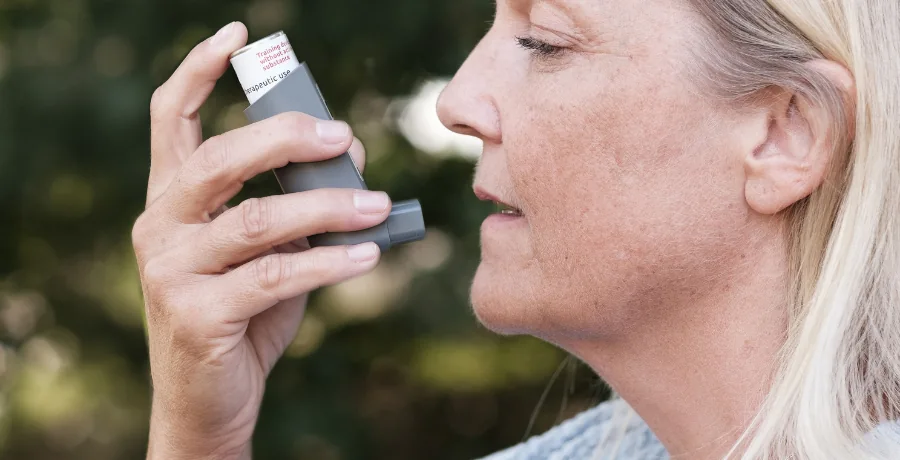
A few specific details make fatigue conversations with a pulmonology team far more actionable than a general "I'm exhausted" description.
A simple daily energy rating, alongside a breathlessness rating
Helps separate ventilatory from deconditioning fatigue, described in Section 4.
Oxygen readings, if you've been given a home pulse oximeter
Directly supports the evaluation described in Section 9, especially during flare-ups.
Flare-up dates and how long fatigue lingered afterward
Reveals the post-flare recovery pattern described in Section 5.
Sleep quality and any nighttime breathlessness
Supports evaluation for nocturnal hypoxemia or overlapping sleep apnea, described in Section 7.
Any new leg or ankle swelling alongside fatigue
Worth flagging clearly, since it can point toward right-heart strain described in Section 6.
12. The 2026/2027 Edge: Where COPD Fatigue Care Is Heading
Fatigue and overall quality of life have become a growing research focus in COPD care, alongside the traditional emphasis on lung function numbers alone. Pulmonary rehabilitation programs are increasingly recognized as a central pillar of treatment rather than an optional add-on, with growing evidence that structured, supervised activity meaningfully improves both breathlessness and energy levels.
Research interest has also grown around earlier identification of exacerbation risk to reduce the frequency of flare-ups described in Section 5, wider use of home pulse oximetry and wearable monitoring to catch oxygen dips earlier, and better screening for overlapping sleep apnea and heart strain. None of this changes the core approach for most people today: the layered evaluation in Section 9, paired with the practical strategies in Section 14, remains the foundation of care.
13. Red Flag Symptoms: When Fatigue Requires Prompt Medical Evaluation
Most COPD-related fatigue is uncomfortable but expected. Certain patterns call for a prompter evaluation rather than waiting for a routine appointment:
- Severe breathlessness at rest, or breathlessness that stops you from speaking in full sentences.
- Blue or grey lips or fingertips, which can signal a significant drop in oxygen needing urgent assessment.
- New confusion, extreme drowsiness, or difficulty staying awake, which can point to dangerously low oxygen or high carbon dioxide levels.
- Chest pain, a fast or irregular heartbeat, or new significant swelling in the legs or ankles.
- A high fever alongside worsening cough, breathlessness, and fatigue, since this can signal an infection needing prompt treatment.
- Coughing up blood, which always warrants a timely medical evaluation.
14. What Actually Helps, Beyond the Diagnosis
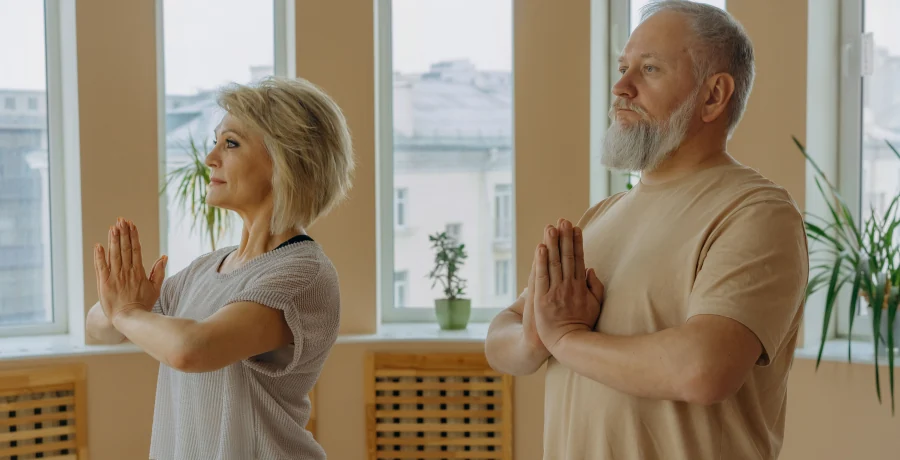
Management approaches for COPD fatigue generally combine reducing flare-up frequency with practical, evidence-informed daily strategies.
Ask about pulmonary rehabilitation
A supervised program combining exercise training, breathing techniques, and education is one of the most effective tools for both breathlessness and fatigue, described in Section 12.
Learn pursed-lip and diaphragmatic breathing
These techniques can reduce the extra work of breathing described in Section 2 during activity and flare-ups.
Use supplemental oxygen exactly as prescribed, if prescribed
For people with confirmed low oxygen levels, correctly used oxygen therapy directly addresses the mechanism in Section 2 — never adjust the flow rate without medical guidance.
Practice energy conservation and pacing
Spreading demanding tasks across the day and resting before exhaustion hits, rather than after, helps manage the ventilatory pattern described in Section 4.
Stay current on vaccinations and treat sleep issues directly
Reducing flare-up frequency (Section 5) and addressing overlapping sleep apnea (Section 7) both meaningfully reduce fatigue's overall burden.
15. Decision Guide — Your Situation, Your Next Step
| Your situation | Most relevant next step |
|---|---|
| Fatigue tracks closely with breathlessness during activity | Describe this as a possible ventilatory fatigue pattern and ask about pulmonary rehabilitation (Section 4 and Section 14). |
| Muscles tire faster even on calm-breathing days | Ask specifically about structured activity and deconditioning (Section 4 and Section 14). |
| Fatigue spikes after every flare-up and lingers | Track flare-up dates and recovery time (Section 11) and raise reducing exacerbation frequency (Section 5). |
| Tired regardless of how much you slept | Ask about overnight oxygen levels and overlapping sleep apnea (Section 7). |
| Severe breathlessness, confusion, or blue lips | Seek prompt evaluation rather than assuming it's ordinary fatigue (Section 13). |
16. Frequently Asked Questions
Is fatigue really a symptom of COPD, or is it just from getting older?
Why am I still exhausted for days after a chest infection clears up?
What's the difference between "ventilatory" and "deconditioning" fatigue in COPD?
Can exercise make COPD fatigue worse?
Does worsening fatigue mean my COPD is getting worse quickly?
When should I see a doctor about worsening COPD-related fatigue?
Ask about the pattern, not just the tiredness
- COPD fatigue is real and biological — a direct result of extra breathing effort and reduced oxygen delivery, not simply a mood or motivation issue.
- Flare-ups have their own fatigue signature — a sharp spike followed by a slower-than-expected recovery is a specific, trackable pattern.
- Ventilatory and deconditioning fatigue often coexist — sleep, heart strain, and activity level are each worth their own specific conversation.
- It doesn't only track with lung function numbers — fatigue can be disproportionate to how "mild" or "advanced" the disease looks on paper.
- Pulmonary rehab, breathing techniques, and treating overlapping issues all genuinely help — this is a manageable symptom, not something to simply endure.
COPD Breathlessness & Energy Tracker (PDF)
A simple, printable daily log to track energy, breathlessness, oxygen readings, and flare-ups — the exact details from Section 11 that make your next pulmonology appointment more productive.
References
- Mayo Clinic — COPD: Symptoms & Causes. mayoclinic.org — COPD Symptoms & Causes
- Cleveland Clinic — Chronic Obstructive Pulmonary Disease (COPD). clevelandclinic.org — COPD Overview
- American Lung Association — COPD. lung.org — Understanding COPD
- GOLD (Global Initiative for Chronic Obstructive Lung Disease) — diagnostic and staging criteria referenced via clinical literature on COPD management.
- StatPearls (NCBI Bookshelf) — Chronic Obstructive Pulmonary Disease. ncbi.nlm.nih.gov — COPD Overview
Written by the HealthBoostOne Editorial Team
Fact-checked against Mayo Clinic, Cleveland Clinic, the American Lung Association, and NCBI/StatPearls clinical guidance.
Last reviewed: August 2026. This article is for general information and does not replace individualized advice from a licensed clinician.