
Blog
Seasonal Fatigue: Why Fall and Winter Make You Feel Tired and How to Restore Your Energy


Seasonal Fatigue: Why Fall and Winter Make You So Tired, and What Actually Helps
If your energy fades every autumn and returns in spring, your body is reacting to light, not to a lack of willpower. Here is what shorter days do to your internal clock, how ordinary winter tiredness differs from seasonal depression, and which fixes have real evidence behind them.
If you feel hopeless or have thoughts of harming yourself, contact your local emergency number or crisis line now (in the US, call or text 988). Read when to get help.
The short answer
- Seasonal fatigue is real and light-driven. Less daylight shifts your body clock and melatonin timing, which lowers morning alertness and raises sleepiness.
- Two levels exist: milder "winter blues" and seasonal affective disorder (SAD), a form of depression with a seasonal pattern.
- Morning light is the strongest lever: outdoor light soon after waking, or a properly used light box, has the best evidence.
- Rule out look-alikes. Low iron, thyroid problems, sleep apnea and low vitamin D can also peak in winter.

It starts quietly: the alarm feels harsher, the afternoon slump arrives earlier, and by November you want to sleep ten hours and still wake up flat. Many people write this off as laziness or "just the weather". It is neither. It is a predictable response to a change in the light your brain depends on to set its clock.
1. What seasonal fatigue actually is
"Seasonal fatigue" is not a formal diagnosis. It describes a recurring drop in energy that follows the calendar, usually starting in autumn and lifting in spring. It sits on a spectrum.
- Winter blues: a milder, common pattern of lower energy, more sleep and a flatter mood that still lets you function.
- Seasonal affective disorder (SAD): a type of major depression with a seasonal pattern, with symptoms most days for at least two weeks that interfere with daily life. The American Psychiatric Association describes it as affecting roughly 5% of US adults.
- Typical features: low energy, oversleeping, carbohydrate cravings, weight gain, withdrawing from people and loss of interest. Spring and summer remission is the signature.
Summer-pattern versions exist but are less common, and tend to involve insomnia and agitation rather than oversleeping.
2. Why shorter days drain your energy

Your brain keeps time using a master clock that is reset every day mainly by light entering the eye. When mornings are dark and days are short, that reset arrives late and weak.
- Body clock drifts later. Without bright morning light, the clock tends to run late, so you feel sleepy when you need to be alert. See our guide to circadian rhythm fatigue.
- MelatoninThe hormone that signals biological night. In winter its release can start earlier or last longer, adding to morning grogginess. timing shifts. Longer nights can lengthen the period your brain stays in "night mode".
- Serotonin signalling may dip. Researchers have linked reduced daylight with changes in serotonin activity, which helps explain the mood and craving changes.
- Vitamin D often falls, though trial evidence that supplements fix SAD is mixed. Details in our vitamin D guide.
- Behaviour compounds it. Less outdoor time, less exercise and a drifting schedule all deepen the effect.
The light gap
Approximate brightness in lux. Bars are illustrative, not to exact scale. Real values vary with weather, window and time.
The takeaway is practical: even a cloudy sky outdoors is far brighter than typical indoor lighting, which is why a morning walk matters more than most people expect.
Clocks go back on October 25 in much of Europe and on November 1 in the US. The extra morning light can help, but the earlier dark evenings often trigger a fresh dip. Shift your wake time and morning light routine a few days beforehand.
3. Quick self-check: winter blues or something more?
Tick what has been true for most of the past two weeks
An educational screen, not a diagnosis. It cannot replace an assessment by a clinician.
4. Look-alikes worth ruling out
Winter tiredness is not always seasonal. These conditions overlap and can be treated separately.
| Look-alike | Clue it may be this | How it is checked |
|---|---|---|
| Low iron or anemia | Breathlessness on stairs, pale skin, tiredness not tied to the season | CBC and ferritin. See ferritin explained |
| Under-active thyroid | Feeling cold, weight gain, dry skin, constipation | TSH. See thyroid fatigue |
| Sleep apnea | Loud snoring, gasping, morning headaches | Sleep study. See sleep apnea fatigue |
| Low vitamin D or B12 | Bone aches, low mood, tingling, limited sun exposure or restricted diet | Blood tests. See best blood tests for fatigue |
| Non-seasonal depression | Low mood continues through spring and summer | Clinical assessment. See depression fatigue |
5. What actually helps, ranked by evidence
| Approach | What it involves | Evidence |
|---|---|---|
| Morning bright light | Outdoor light within an hour of waking, or a light box used daily | Strong |
| Cognitive behavioural therapy for SAD | A structured 6 to 12 week course; benefits can last beyond the season | Strong |
| Prescription treatment | Antidepressants, started and monitored by a clinician | Strong for SAD |
| Regular exercise | Daily movement, ideally outdoors | Moderate |
| Fixed sleep schedule | Same wake time every day, no long weekend lie-ins | Moderate |
| Vitamin D supplements | Mainly when a test shows deficiency | Limited for SAD |
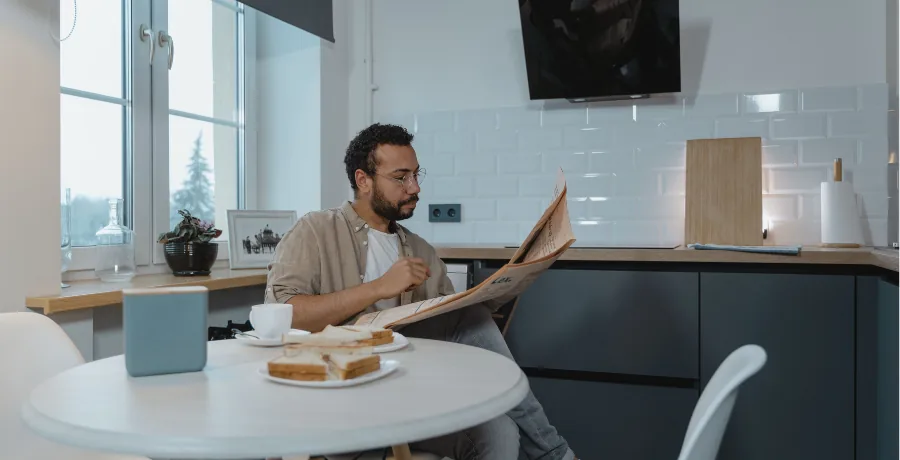
How to use light therapy properly
- Choose a proper device. Clinical guidance typically points to a box delivering about 10,000 lux, with UV filtered out.
- Use it early. Roughly 20 to 30 minutes soon after waking, at the distance on the label, eyes open but not staring at the lamp.
- Start before it gets dark. Many clinicians suggest beginning in early autumn and continuing until spring.
- Avoid evenings. Late use can delay sleep and worsen the problem.
- Check first if you have eye disease, bipolar disorder or take photosensitising medicines. Light therapy can cause eye strain or, in bipolar disorder, trigger mania.
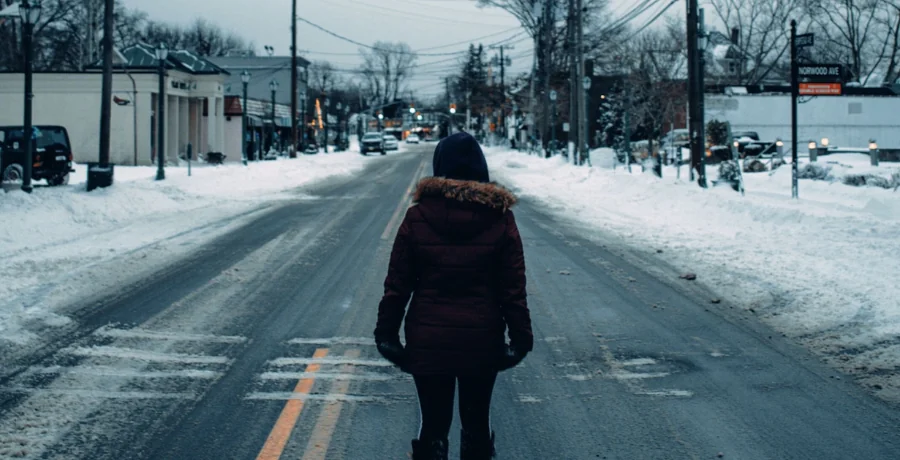
Daily habits that add up
- Get outside early, even for 15 to 20 minutes, ideally before midday.
- Sit near a window and open blinds as soon as you are up.
- Keep your wake time fixed on weekends within about an hour.
- Move every day. Walking counts.
- Eat regular meals with protein and fibre to steady cravings.
- Stay connected. Plan social contact in advance so it does not rely on motivation.
6. When to get help
Low mood or exhaustion lasts more than two weeks, stops you working or caring for yourself, or you rely on alcohol to cope. If you have thoughts of suicide or self-harm, contact your emergency number or a crisis line immediately.
- You cannot function at work, school or home for most days.
- You feel hopeless, worthless or numb.
- You have thoughts of ending your life or hurting yourself.
- Symptoms are new, severe or do not follow a seasonal pattern.
Start with your primary care clinician. They can check physical causes, screen for depression and discuss light therapy, talking therapy or medication.
7. Frequently asked questions
Why am I so tired in winter?
Is seasonal fatigue the same as seasonal depression?
When does seasonal fatigue start and end?
Do light therapy boxes really work?
Will vitamin D fix winter tiredness?
Your winter energy plan
- Get light early. Outdoor light within an hour of waking, every day.
- Fix your wake time and shift it gently before the clocks change.
- Rule out look-alikes with blood tests if tiredness is heavy or not seasonal.
- Escalate early. Persistent low mood deserves a clinician, not willpower.

References
- American Psychiatric Association: What is seasonal affective disorder?
- National Institute of Mental Health: seasonal affective disorder.
- NHS: seasonal affective disorder (SAD) overview and treatment.
- Mayo Clinic: light therapy for SAD and treatment guidance.