Blog
Why Am I Not Losing Weight Even Though I Exercise? 15 Science-Based Reasons + Fix

INTRODUCTION
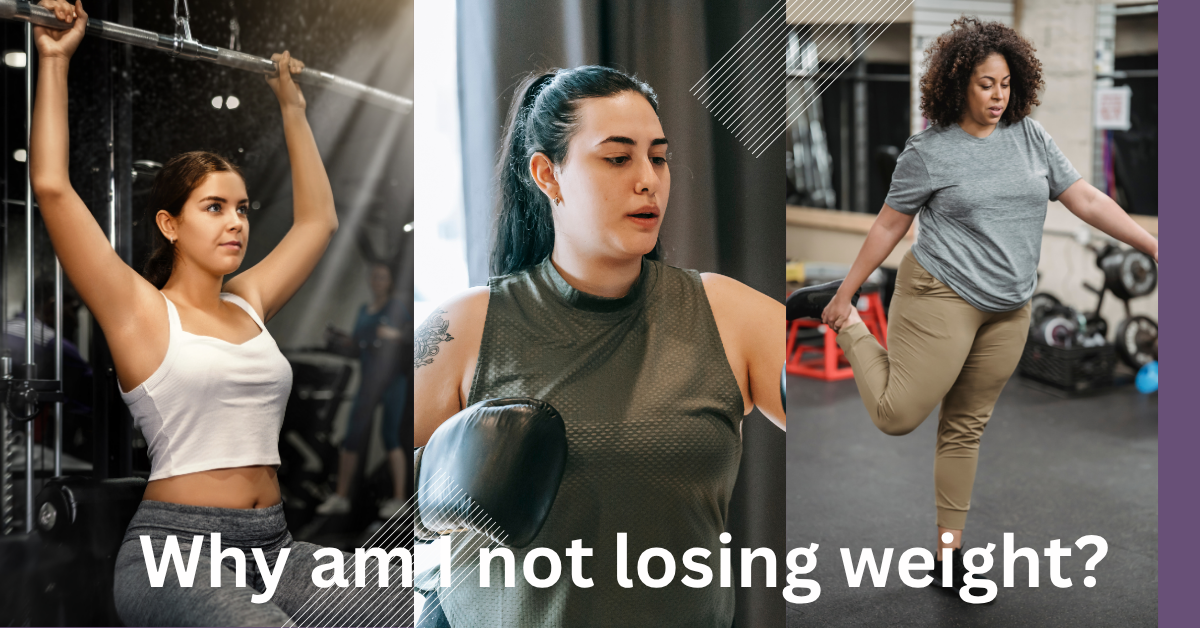
If you are exercising regularly but still not losing weight, the reason is not lack of effort but a mismatch between energy balance, metabolism, and daily behavioral compensation mechanisms that most people are not aware of in practice.
Scientific evidence from exercise physiology, obesity research, and metabolic studies consistently shows that fat loss is not determined by exercise alone but by the relationship between total energy intake, total daily energy expenditure, hormonal regulation, and metabolic adaptation over time, which means that even consistent training does not guarantee weight loss if overall energy balance remains at
maintenance level.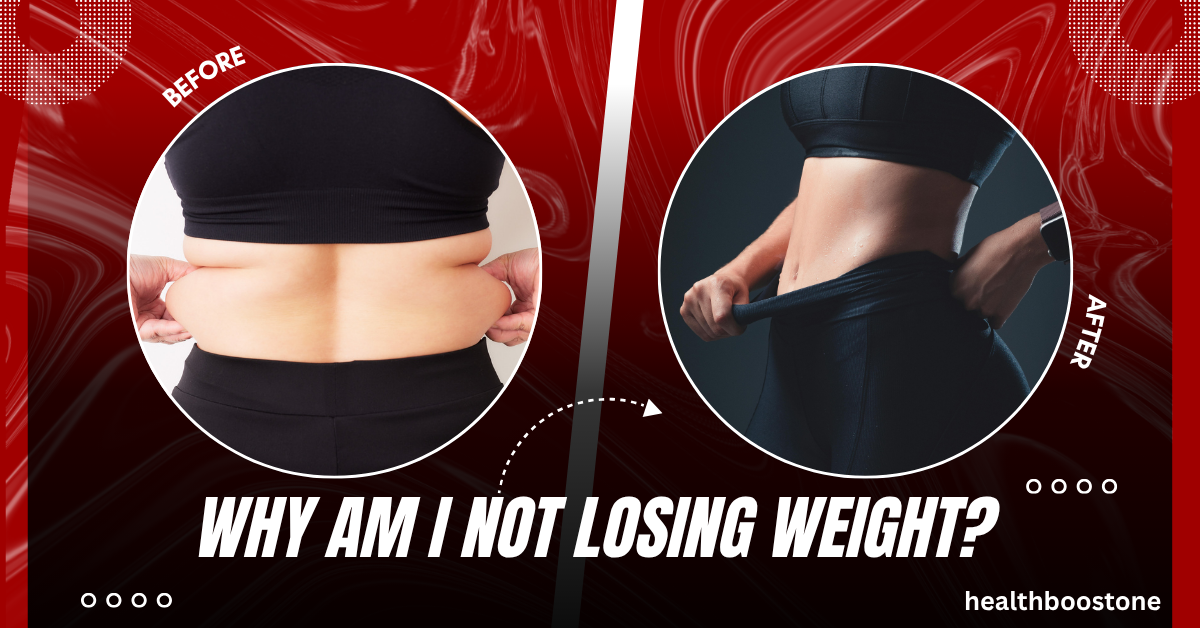
1. ENERGY BALANCE IS THE PRIMARY CONTROLLER OF BODY WEIGHT
Weight loss is fundamentally controlled by energy balance, which refers to the relationship between calories consumed and calories burned throughout the day, and this principle is supported by decades of metabolic research and clinical evidence in human physiology.
If calorie intake exceeds calorie expenditure, weight increases over time, if calorie intake is lower than expenditure, weight decreases, and if both are equal, weight remains stable regardless of exercise frequency or intensity.
Source:
https://www.niddk.nih.gov/health-information/weight-management
2. EXERCISE ALONE IS NOT SUFFICIENT FOR FAT LOSS
Exercise does increase calorie expenditure, but the total amount of energy burned during most workouts is significantly lower than most people assume, which leads to unrealistic expectations about fat loss outcomes.
A typical workout session may burn between 200 and 500 calories depending on body weight, intensity, and duration, while a single meal from common dietary patterns can easily contain 800 to 1200 calories, meaning that exercise-induced calorie burn can be completely offset by normal eating behavior without awareness.
Source:
https://www.health.harvard.edu/staying-healthy/does-exercise-help-you-lose-weight
3. HIDDEN CALORIE CONSUMPTION IS THE MOST COMMON FAILURE FACTOR
One of the most important reasons for weight loss failure is inaccurate estimation of calorie intake, where individuals unknowingly consume more energy than they track or perceive in daily eating behavior.
Hidden calorie sources include cooking oils, sauces, dressings, snacks, nuts, peanut butter, processed foods, and sugar-containing beverages, and even small quantities of these items can accumulate into a significant calorie surplus over time.
For example, one tablespoon of cooking oil contains approximately 120 calories, while a small handful of nuts can contain between 200 and 300 calories, and when these are not tracked properly, they can completely eliminate the calorie deficit created by exercise.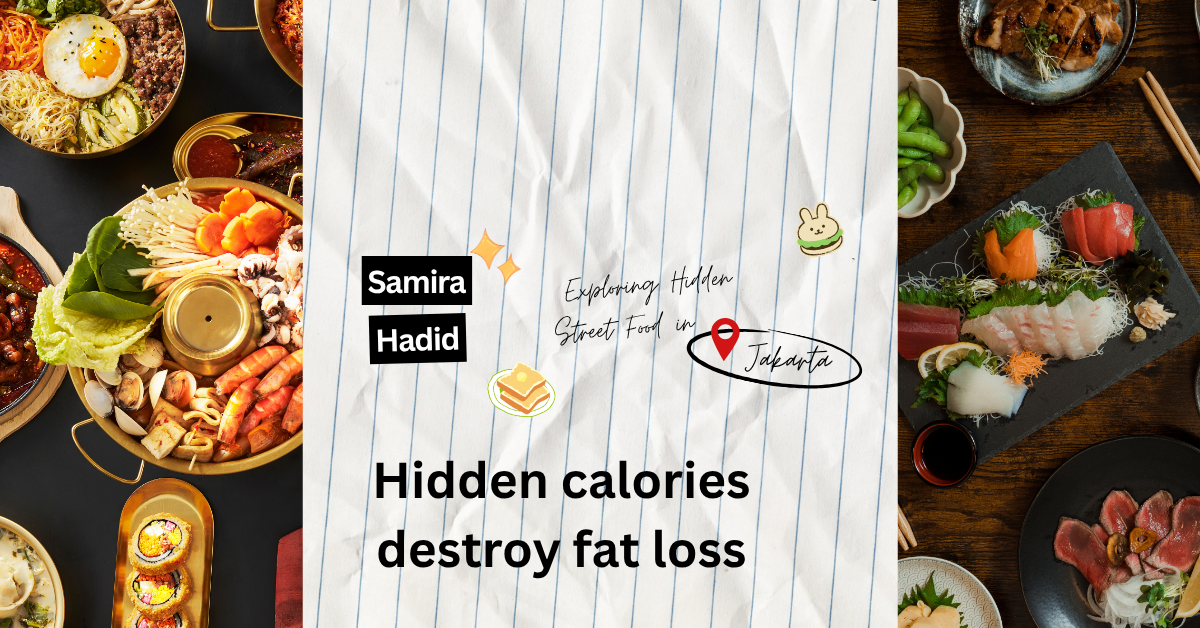
4. METABOLIC ADAPTATION AND ENERGY EFFICIENCY RESPONSE
Metabolic adaptation is a biological response in which the human body reduces its energy expenditure in response to sustained calorie restriction or increased physical activity, and this process is designed as a survival mechanism to preserve energy stores during periods of perceived scarcity.
During metabolic adaptation, resting metabolic rate may decrease, physical activity efficiency increases, and the body requires fewer calories to perform the same level of work, which directly slows down fat loss progression even when external behavior remains unchanged.
Source:
https://pubmed.ncbi.nlm.nih.gov/31021792/
5. NEAT REDUCTION AND COMPENSATORY ENERGY BEHAVIOR
Non-Exercise Activity Thermogenesis, known as NEAT, refers to all energy expenditure outside of structured exercise, including walking, standing, posture maintenance, and spontaneous movement throughout the day.
When individuals begin structured exercise programs, they often unconsciously reduce NEAT by moving less during the rest of the day, sitting for longer periods, and compensating for perceived exercise effort, which significantly reduces total daily energy expenditure and can neutralize the effects of workouts.
6. WATER RETENTION AND SHORT-TERM WEIGHT FLUCTUATIONS
Exercise, particularly resistance training, can cause temporary increases in body weight due to muscle inflammation, glycogen replenishment, and associated water retention, which can mask fat loss on the scale even when fat reduction is actually occurring.
Since each gram of stored glycogen is associated with approximately three to four grams of water, fluctuations in carbohydrate intake and training intensity can significantly influence short-term scale measurements without reflecting actual changes in body fat.
7. CORTISOL, STRESS, AND FAT LOSS RESISTANCE
Chronic psychological or physical stress leads to elevated cortisol levels, which is a hormone associated with increased appetite, cravings for high-calorie foods, and altered fat distribution patterns, particularly increased abdominal fat storage.
Elevated cortisol levels also negatively impact recovery, sleep quality, and metabolic efficiency, which together reduce the overall effectiveness of fat loss interventions.
8. SLEEP DEPRIVATION AND HORMONAL DYSREGULATION
Sleep plays a critical regulatory role in energy balance, appetite control, and metabolic function, and insufficient sleep disrupts the balance of key hormones such as ghrelin and leptin, which control hunger and satiety signals.
When sleep duration or quality is reduced, ghrelin levels increase, leading to higher hunger, while leptin levels decrease, reducing satiety signaling, which results in increased calorie intake and reduced dietary control.
Source:
https://www.cdc.gov/sleep/about_sleep/index.html
9. CARDIOVASCULAR TRAINING VS RESISTANCE TRAINING
Cardiovascular exercise primarily increases calorie expenditure during the activity itself, while resistance training contributes to long-term increases in metabolic rate through muscle development and preservation.
Since muscle tissue is metabolically active, higher muscle mass contributes to increased resting energy expenditure, which supports long-term fat loss sustainability more effectively than cardio alone.
10. BODY RECOMPOSITION AND MISLEADING SCALE DATA
Body recomposition refers to simultaneous fat loss and muscle gain, which can result in little or no change in total body weight even when significant improvements in body composition are occurring.
Because body weight reflects total mass including water, glycogen, muscle, and fat, it is not a direct measure of fat loss, and relying solely on scale measurements can lead to incorrect conclusions about progress.
11. WEIGHT LOSS PLATEAUS AND ADAPTIVE RESPONSES
Weight loss plateaus are a normal physiological response to sustained changes in energy intake and expenditure and are driven by a combination of metabolic adaptation, reduced NEAT, hormonal changes, dietary inconsistency, and psychological stress.
These plateaus represent a stabilization phase in energy balance rather than failure and require strategic adjustments to restore fat loss progression.
12. SCIENCE-BASED FAT LOSS INTERVENTION STRATEGY
Effective fat loss requires a structured approach that includes maintaining a consistent calorie deficit of approximately 300 to 500 calories per day, ensuring adequate protein intake between 1.6 and 2.2 grams per kilogram of body weight, increasing daily movement to 7000 to 10000 steps per day, performing resistance training three to four times per week, maintaining sleep duration between seven and nine hours per night, and implementing stress management techniques such as walking, controlled breathing, and recovery protocols.
13.30-DAY BODY TRANSFORMATION PLAN
To help you apply everything explained in this article in a structured and practical way, you can use the 30-Day Body Transformation Plan.
This plan is designed based on scientific principles of fat loss including calorie deficit control, daily movement optimization, resistance training structure, sleep improvement, and stress management strategies.
It provides a step-by-step daily and weekly framework that helps you turn the theoretical concepts of fat loss into a clear actionable system.
Download and follow this plan to stay consistent and apply all methods discussed in this article in a structured 30-day progression model.
Related Resource
30-Day Body Transformation Plan
14. REAL-WORLD ENERGY BALANCE EXAMPLE
A person consuming 2200 calories per day while exercising regularly may assume they are in a calorie deficit, however if their true maintenance level is also 2200 calories due to low NEAT or metabolic adaptation, no fat loss will occur despite consistent training efforts.
15. COMMON MISTAKES THAT PREVENT FAT LOSS PROGRESSION
Common mistakes include overestimating exercise calorie burn, underestimating food intake, inconsistent calorie tracking, weekend overconsumption, insufficient protein intake, and poor sleep habits, all of which independently contribute to stalled fat loss.
16. WHY BODY WEIGHT DOES NOT ALWAYS REFLECT FAT LOSS
Body weight fluctuates daily due to changes in water retention, glycogen storage, food volume, and hormonal variations, which means that short-term scale readings do not accurately reflect changes in body fat percentage.
17. ADVANCED METABOLIC ADAPTATION DYNAMICS
Fat loss is a non-linear process influenced by continuous physiological adaptation, where early phases often show rapid weight reduction due to water loss and glycogen depletion, while later phases slow down due to metabolic adaptation and energy conservation mechanisms.
18. WHY INCREASING EXERCISE DOES NOT ALWAYS IMPROVE FAT LOSS
Increasing exercise without adjusting dietary intake can lead to compensatory mechanisms such as increased hunger, reduced NEAT, and increased fatigue, which can negate the additional energy expenditure from exercise.
19. INTEGRATED FAT LOSS MODEL
Fat loss is determined by multiple interacting factors including total energy intake accuracy, total daily energy expenditure, metabolic adaptation level, NEAT activity, hormonal balance, sleep quality, and stress levels, all of which must be considered simultaneously for effective weight management.
20. FINAL FAT LOSS FRAMEWORK
Sustainable fat loss requires maintaining a consistent calorie deficit, tracking food intake accurately, increasing daily movement, performing regular resistance training, optimizing sleep quality, and managing stress effectively over time.
EXTERNAL HIGH AUTHORITY SOURCES
https://www.niddk.nih.gov
https://www.health.harvard.edu
https://www.cdc.gov
https://www.mayoclinic.org
https://pubmed.ncbi.nlm.nih.gov
FINAL SUMMARY
If you are not losing weight despite exercising, the underlying issue is not exercise itself but a combination of energy balance miscalculations, metabolic adaptation, reduced non-exercise activity, hormonal regulation, sleep disruption, stress response, and water retention, and when these factors are properly managed, fat loss becomes predictable and sustainable.