
Blog
Cancer-Related Fatigue: Why It Feels Nothing Like Ordinary Tiredness


Cancer-Related Fatigue: Why It Feels Nothing Like Ordinary Tiredness
In survey after survey, people going through cancer treatment rank fatigue above pain, nausea, or any other single symptom as the thing that disrupts life the most — and it's not the kind of tired a nap fixes. Between 80% and 90% of people receiving chemotherapy or radiation experience it, and for many, it lingers well after treatment ends. Here's what's actually driving cancer-related fatigue, why "chemo brain" is a real and separate phenomenon, and the one intervention oncology guidelines consistently rank above rest.
- Cancer-related fatigue (CRF) affects an estimated 80–90% of people receiving chemotherapy or radiation, and it's rated as more disruptive than pain by many patients in oncology surveys.
- It has a distinct biology: treatment triggers inflammatory cytokines, anemia, and cellular stress that combine to produce fatigue rest alone doesn't fix.
- "Chemo brain" is a real, separate phenomenon — a treatment-related cognitive fog affecting memory, focus, and word-finding, distinct from tiredness itself.
- Fatigue often peaks days after a treatment cycle, follows a predictable pattern tied to the treatment calendar, and can persist for months or years after treatment ends.
- Exercise, not rest, is the single most consistently supported intervention in oncology guidelines — a genuinely counterintuitive but well-established finding.

1. Why "Just Rest More" Doesn't Fix It
Ordinary tiredness responds to sleep. Cancer-related fatigue often doesn't — and that gap is exactly what makes it so disorienting for people experiencing it for the first time. The National Cancer Institute describes cancer fatigue as distressing, persistent tiredness related to cancer or its treatment that is not proportional to recent activity and interferes with normal functioning — a definition that specifically separates it from tiredness that improves with rest.
That distinction matters clinically. A person with ordinary fatigue who sleeps eight hours generally feels restored. A person with CRF can sleep a full night and still wake up feeling like they haven't rested at all, which is often the detail that finally prompts a conversation with their oncology team rather than assuming it's simply part of "feeling sick."
2. The Biology: Cytokines, Anemia, and Cellular Stress
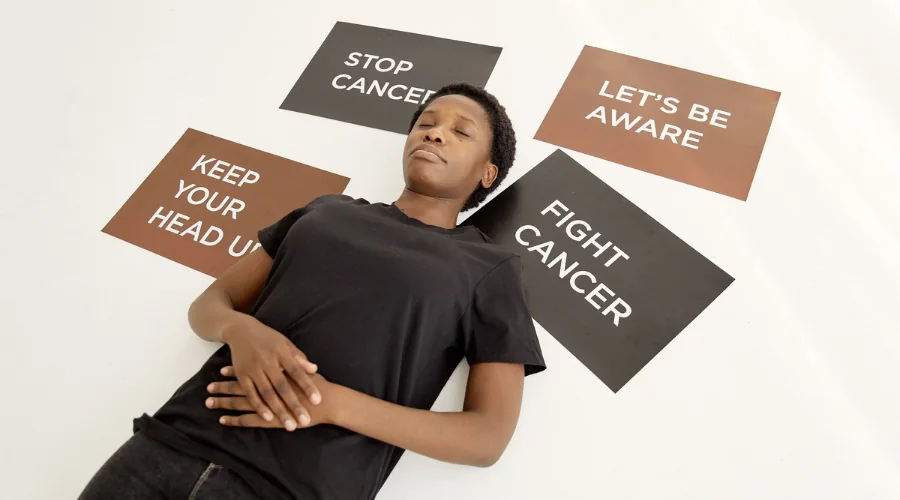
CRF isn't a single mechanism — it's several processes converging at once. Mayo Clinic notes that cancer and its treatments can affect nearly every body system involved in producing and using energy, which is part of why cancer fatigue tends to feel more total-body than an ordinary tired evening.
- Inflammatory cytokines rise during treatment, and elevated levels of signaling molecules like IL-6 are consistently associated with higher fatigue severity in the research literature.
- Chemotherapy and radiation can both cause anemia by affecting bone marrow's ability to produce red blood cells, reducing the oxygen-carrying capacity fatigue depends on.
- Cellular energy production itself can be disrupted, with some research pointing to treatment-related mitochondrial stress as a contributing factor.
- Pain, nausea, poor sleep, and low mood frequently compound the biological fatigue, the same way primary and secondary fatigue interact in other chronic conditions — none of these have to be present for CRF to occur, but each one that is present adds to it.
- Nutritional changes during treatment — reduced appetite, altered taste, or difficulty eating enough — can further limit the energy available for basic functioning.
3. Treatment-Specific Patterns: Chemo, Radiation, Immunotherapy, Surgery
Different treatments tend to produce fatigue with different timing and shape, which is useful for knowing what to expect.
Cyclical fatigue tied to the treatment calendar
Fatigue commonly dips a few days after each infusion, partially recovers before the next cycle, and can accumulate — meaning later cycles are often harder than the first.
Gradual buildup across the course of treatment
Fatigue with radiation tends to build slowly over the weeks of daily treatment rather than spiking sharply, often peaking toward the end of the course and easing gradually afterward.
More variable, sometimes tied to immune-related side effects
Fatigue with immunotherapy can appear at any point in treatment and, in some cases, signals an immune-related side effect (such as thyroid changes) worth flagging to the care team.
Recovery-driven, typically improving over weeks
Post-surgical fatigue generally follows a more familiar recovery curve, though it can overlap with fatigue from other treatments given around the same time.
4. "Chemo Brain": The Cognitive Side of Cancer Fatigue
One of the least-discussed parts of cancer-related fatigue is that it isn't only physical. Chemo brainA cluster of treatment-related cognitive changes — trouble concentrating, word-finding difficulty, and short-term memory lapses — that can occur during and after cancer treatment, even with treatments other than chemotherapy. is the commonly used term for a real, well-documented cluster of cognitive changes that can accompany cancer treatment, including chemotherapy, radiation, and hormone therapy.
People describe it as difficulty concentrating, losing a word mid-sentence, or forgetting why they walked into a room — changes that can feel alarming until they're named and understood as a recognized, usually temporary, treatment-related pattern rather than something more serious.
Cancer-related cognitive changes usually improve over the months following treatment for most people, though a smaller number notice effects that last longer. If concentration or memory changes are worrying you, it's worth raising directly with your oncology team rather than assuming nothing can be done.
5. Who's Most at Risk of Severe Fatigue
People Receiving Combination Treatment
Fatigue tends to be more pronounced when chemotherapy, radiation, and surgery overlap or follow closely together.
People With Pre-Existing Anemia or Low Blood Counts
Baseline anemia compounds treatment-related drops in red blood cell production.
People With Coexisting Depression, Anxiety, or Poor Sleep
As with other chronic-illness fatigue, mood and sleep disruption meaningfully add to the biological fatigue burden.
People With Advanced or Metastatic Disease
Fatigue is generally more severe and more persistent with more advanced disease, independent of treatment type.
People Who Were Less Physically Active Before Diagnosis
Lower baseline fitness is associated with a harder fatigue course during and after treatment — one of the reasons exercise oncology (Section 11) starts as early as possible.
6. During Treatment vs. After: Survivorship Fatigue
Fatigue during active treatment is expected and usually explained by the mechanisms in Section 2. What surprises many people is that it can continue well after treatment officially ends. Research on cancer survivorship consistently finds that a meaningful share of survivors — commonly cited around a quarter to a third in various studies — report ongoing fatigue months to years after finishing treatment, even with no evidence of cancer remaining.
This "post-treatment fatigue" is now recognized as its own survivorship-care topic, distinct from the fatigue of active treatment, and is one of the reasons oncology follow-up increasingly includes a specific fatigue check rather than treating the end of treatment as the end of the conversation.
7. Real-World Scenarios: Where Do You Fit?
"My fatigue is worst about 3–5 days after each chemo infusion."
A pattern consistent with the cyclical chemotherapy fatigue described in Section 3 — worth tracking so you can plan lighter days around it.
"I finished treatment eight months ago and I'm still not back to normal."
A recognized survivorship-fatigue pattern, described in Section 6 — worth raising at follow-up rather than assuming it should have resolved by now.
"I keep losing my train of thought and forgetting simple words."
Consistent with chemo brain, described in Section 4 — a real, nameable phenomenon worth discussing directly with your care team.
"My fatigue seems worse than what my oncologist described as typical."
Worth a direct conversation and possible bloodwork to rule out anemia or other treatable contributors (Section 8).
8. How Oncology Teams Actually Evaluate It
Unlike diagnosing the cancer itself, evaluating cancer-related fatigue is a layered, ongoing process most major cancer centers now build into every treatment visit, following frameworks like the NCCN's cancer-related fatigue guideline.
| Step | What it involves |
|---|---|
| 1. Fatigue screening | A simple severity rating (often 0–10) checked at each treatment visit, since fatigue can change quickly cycle to cycle. |
| 2. Bloodwork review | Checking for anemia, thyroid changes, and other treatable contributors alongside the expected treatment-related fatigue. |
| 3. Medication review | Checking whether pain medications, anti-nausea drugs, or other prescriptions could be adding to sedation or fatigue. |
| 4. Sleep and mood screening | Since poor sleep and depression are common, treatable contributors that compound biological CRF. |
| 5. Activity and nutrition review | Assessing current activity level and appetite, both of which factor into the exercise-oncology and nutrition guidance in Sections 10–11. |
As with other chronic-illness fatigue, the most common trap is attributing everything to "the cancer" or "the chemo" without working through the layered checklist above — several contributors here are genuinely treatable on their own.
9. Try It: Fatigue Pattern Finder
Which best describes your fatigue right now?
Tap the option that fits best to see what that pattern often points to.
Not a diagnostic tool — for education only. Bring your specific pattern to your oncology team.
10. Tracking Your Fatigue Between Appointments

During active treatment, a phone-based log is usually more realistic than paper — appointments, side effects, and energy levels change quickly, and most people already have their phone nearby. A few specific details make fatigue conversations with an oncology team far more actionable:
A daily energy rating, logged at roughly the same time each day
Reveals the cyclical pattern from Section 3 far more clearly than a memory-based description at your next visit.
Which day of your treatment cycle it is
Makes the connection between treatment timing and fatigue severity immediately visible to your care team.
Sleep quality and any pain, nausea, or mood changes
Helps separate biological CRF from compounding, more directly treatable contributors (Section 2 and Section 8).
Cognitive symptoms specifically, not just tiredness
Rated separately, since chemo brain (Section 4) doesn't always track with physical fatigue levels.
Cancer Treatment Energy Planner
A simple, printable-or-digital workbook built specifically for tracking fatigue and energy through active treatment — designed to sit alongside, not replace, whatever your care team already gives you.
Weekly Energy Budget
A budgeting template built around your treatment-cycle calendar, so light days get planned around the heavy ones.
Symptom, Sleep & Appointment Log
Symptoms, sleep, and appointments together on one page — in one glance, not three separate notebooks.
Questions for My Oncology Team
A running checklist you fill in as things come up, so nothing gets forgotten at the door of the appointment.
Caregiver Communication Sheet
One page for the people helping you day to day, so you don't have to re-explain today's plan out loud.
11. Exercise Oncology: The Counterintuitive Fix

Of everything studied for cancer-related fatigue, exercise has the strongest and most consistent evidence behind it — a finding that surprises many people, since resting more feels like the intuitive response to exhaustion. The American Cancer Society notes that regular physical activity during and after treatment is one of the most effective ways to manage cancer-related fatigue, even in relatively small, manageable amounts.
This doesn't mean intense training. Oncology-specific exercise guidance typically starts small — short walks, light resistance work, or seated stretching — and builds gradually, adjusted around blood counts, treatment days, and how a person is feeling that week. The goal isn't fitness in the traditional sense; it's using movement specifically as a fatigue-management tool.
Gentle resistance tools for treatment days
Light resistance bands are one of the easiest ways to start the kind of low-impact strength work oncology exercise guidance recommends — no gym, no impact, adjustable to how you're feeling that day. Always check with your care team before starting anything new.
12. The 2026/2027 Edge: Biomarkers and "Prehabilitation"
Two genuinely newer ideas are shaping where cancer-fatigue care is heading, neither of which has been widely covered elsewhere in general health content.
Inflammatory biomarker research
Ongoing research into inflammatory markers such as IL-6 and CRP is exploring whether pre-treatment blood levels can help predict who is more likely to experience severe fatigue — potentially allowing earlier, more targeted support rather than a one-size-fits-all approach.
"Prehabilitation" before treatment even starts
Rather than waiting until fatigue appears, some cancer centers now build a short structured exercise and nutrition program into the weeks between diagnosis and treatment start — early evidence suggests this can blunt how severe treatment-related fatigue becomes later.
Neither approach replaces the core, well-established interventions in Sections 10–11 today, but both represent where fatigue-specific cancer care is actively moving, and are worth asking your care team about if you're early in a diagnosis.
13. Red Flag Symptoms: When to Contact Your Care Team Promptly

Most cancer-related fatigue is expected and manageable with the strategies above. Certain patterns call for a prompter conversation rather than waiting for a routine appointment:
- Fatigue that suddenly worsens sharply rather than following your usual cycle pattern.
- Shortness of breath, chest pain, dizziness, or fainting alongside fatigue, which can indicate anemia severe enough to need direct treatment.
- A fever alongside fatigue during treatment, since this can indicate an infection requiring urgent evaluation, especially with a suppressed immune system.
- Significant confusion or cognitive changes well beyond the "chemo brain" pattern described in Section 4.
- Fatigue accompanied by significant, worsening low mood or thoughts of self-harm — this always warrants prompt professional support regardless of the underlying cause.
14. Decision Guide — Your Situation, Your Next Step
| Your situation | Most relevant next step |
|---|---|
| Fatigue peaks a few days after each treatment | Track it against your cycle (Section 10) and plan lighter days around the pattern. |
| More brain fog than physical exhaustion | Name it as chemo brain with your care team rather than assuming nothing can help (Section 4). |
| Treatment ended, but fatigue hasn't | Raise survivorship fatigue explicitly at follow-up — it's a recognized pattern, not something to just wait out (Section 6). |
| Ready to start moving but unsure how | Ask about exercise oncology and starting small, adjusted around your bloodwork and treatment days (Section 11). |
| Fatigue feels more severe than described as typical | Ask directly about bloodwork for anemia and other treatable contributors (Section 8). |
15. Frequently Asked Questions
Is cancer-related fatigue different from normal tiredness?
Is "chemo brain" a real, medically recognized thing?
Does fatigue mean my treatment isn't working, or that things are getting worse?
Will exercise make my fatigue worse?
How long does fatigue last after treatment ends?
When should I contact my oncology team about fatigue specifically?
Name the pattern, not just the exhaustion
- Cancer-related fatigue is biological, not a lack of effort — driven by inflammation, anemia, and cellular stress from cancer and its treatment.
- Chemo brain is real and separate from physical tiredness — worth naming directly to your care team.
- Fatigue often follows your treatment calendar — tracking it against cycle days makes it far easier to plan around.
- It can outlast treatment itself — survivorship fatigue is a recognized, discussable topic, not something to just wait out.
- Exercise, started small, is the best-supported single intervention — genuinely counterintuitive but well established in oncology guidance.
References
- National Cancer Institute — Fatigue and Cancer Treatment. cancer.gov — Cancer-Related Fatigue
- Mayo Clinic — Cancer Fatigue: Why It Occurs and How to Cope. mayoclinic.org — Cancer Fatigue
- American Cancer Society — Exercise and Fatigue. cancer.org — Exercise for Cancer Fatigue
- National Comprehensive Cancer Network (NCCN) — Cancer-Related Fatigue Clinical Practice Guideline (referenced via published clinical literature).
- NCBI/PMC — Cancer-Related Cognitive Impairment ("Chemo Brain") Research Literature.
3 thoughts on “Cancer-Related Fatigue: Why It Feels Nothing Like Ordinary Tiredness”